

What to Expect During a Professional Pond Excavation Project
Adding a pond to a residential or commercial property can dramatically enhance the beauty, functionality, and ecological value of the surrounding landscape. Whether the goal is recreational enjoyment, wildlife support, stormwater management, or visual appeal, careful planning is necessary before any soil is moved. A professionally designed water feature requires more than simply digging a hole because drainage, grading, soil stability, and long-term maintenance all play important roles in the final outcome.
Many property owners underestimate the amount of preparation involved in creating a durable and properly functioning pond environment. Professional contractors follow a detailed process to ensure the finished project supports both structural integrity and environmental balance for many years. Understanding the steps involved helps clients feel more confident and prepared before construction begins on their property. Learning what happens during professional pond excavations allows landowners to make informed decisions while setting realistic expectations for the overall timeline and project scope.
Evaluating Property Conditions Before Construction Begins
Every successful water feature project starts with a detailed assessment of the land where the work will take place. Contractors begin by examining the natural slope, soil composition, drainage patterns, and existing vegetation throughout the site. This evaluation helps determine whether the property can naturally support water retention or if additional stabilization measures may be necessary.
During professional pond excavations, experienced crews also identify underground utilities, tree root systems, and potential environmental concerns that could affect construction safety or long-term functionality. Soil testing is especially important because sandy or highly porous conditions may require liners or compacted clay to prevent excessive water loss after completion. The surrounding terrain also influences how rainwater enters and exits the future pond area during storms or seasonal runoff events. A thorough site evaluation ensures the project begins with accurate planning rather than costly assumptions that may create complications later in the process.
Designing Pond Layouts For Long Term Functionality
Once the site has been evaluated, contractors begin creating a detailed design plan tailored to the property owner’s goals and the characteristics of the land. The shape, depth, shoreline contour, and water circulation patterns all influence how the finished pond will function over time. During pond excavations, professionals carefully calculate dimensions to support both aesthetic appeal and proper environmental balance throughout the year.
Deeper sections may be included to maintain cooler water temperatures, while shallow shelves can support aquatic plants and improve wildlife accessibility. Contractors also determine the safest placement for overflow systems, drainage routes, and erosion control features before excavation begins. Proper planning helps prevent issues such as unstable banks, stagnant water, or uneven settling after the pond is completed. A well-designed layout provides a strong foundation for a durable and visually appealing feature that integrates naturally with the surrounding landscape.
Clearing Vegetation And Preparing The Work Area
Before heavy equipment can begin digging, the work area must be properly cleared and prepared for safe construction access. Contractors remove trees, brush, debris, and surface obstacles that may interfere with excavation equipment or disrupt the intended pond design. During pond excavations, crews often establish temporary access roads or stabilized pathways to minimize soil disturbance and reduce damage to nearby landscaping features.
Proper site preparation also helps protect surrounding structures, fences, and utility lines from accidental contact during equipment operation. Grading adjustments may be necessary to create safe working conditions and establish proper drainage away from the active construction zone. Contractors frequently install erosion control measures such as silt fencing or sediment barriers to prevent loose soil from affecting nearby waterways or neighboring properties. Careful preparation keeps the project organized while reducing environmental impact and improving overall construction efficiency.
Operating Heavy Equipment For Precise Excavation Work
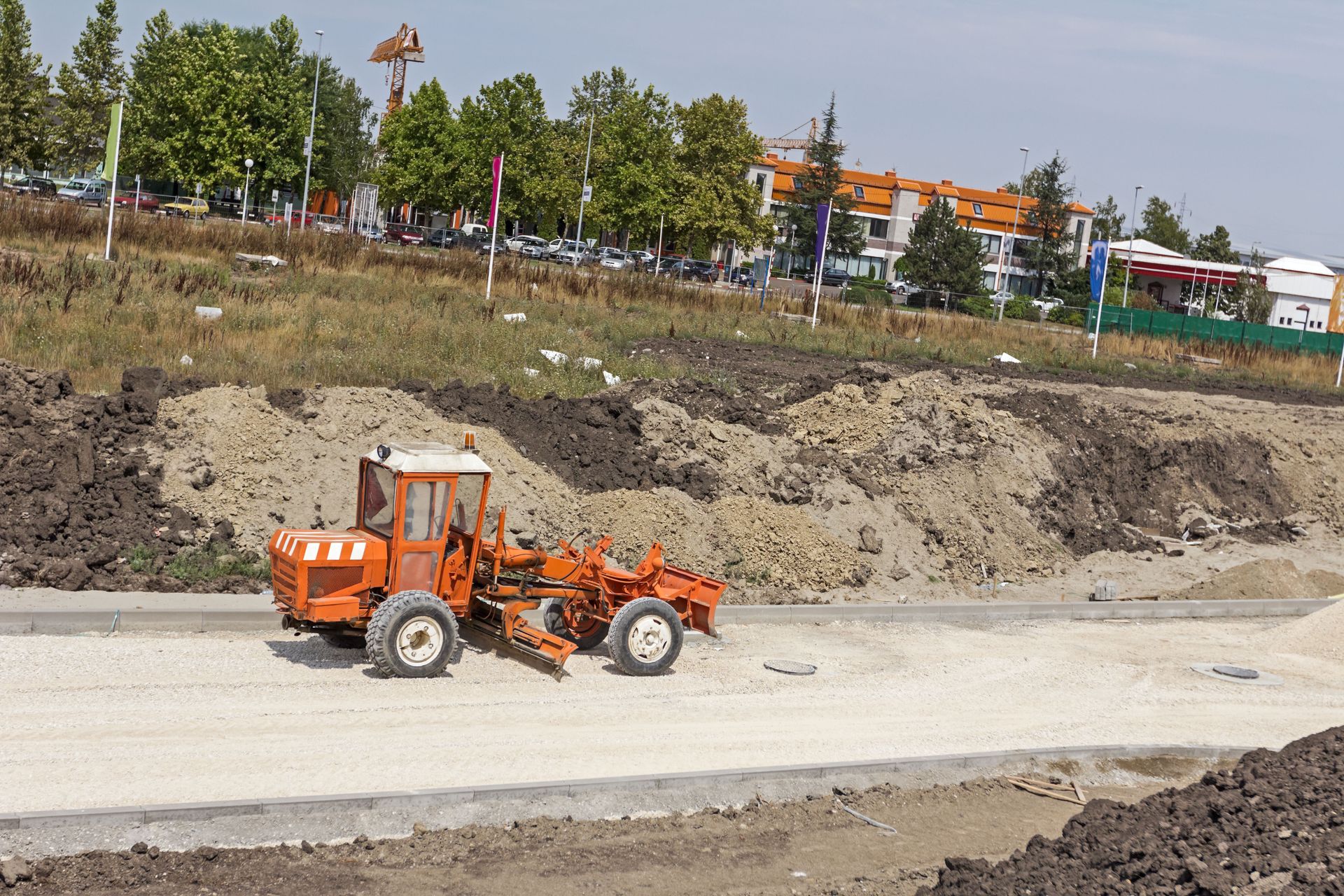
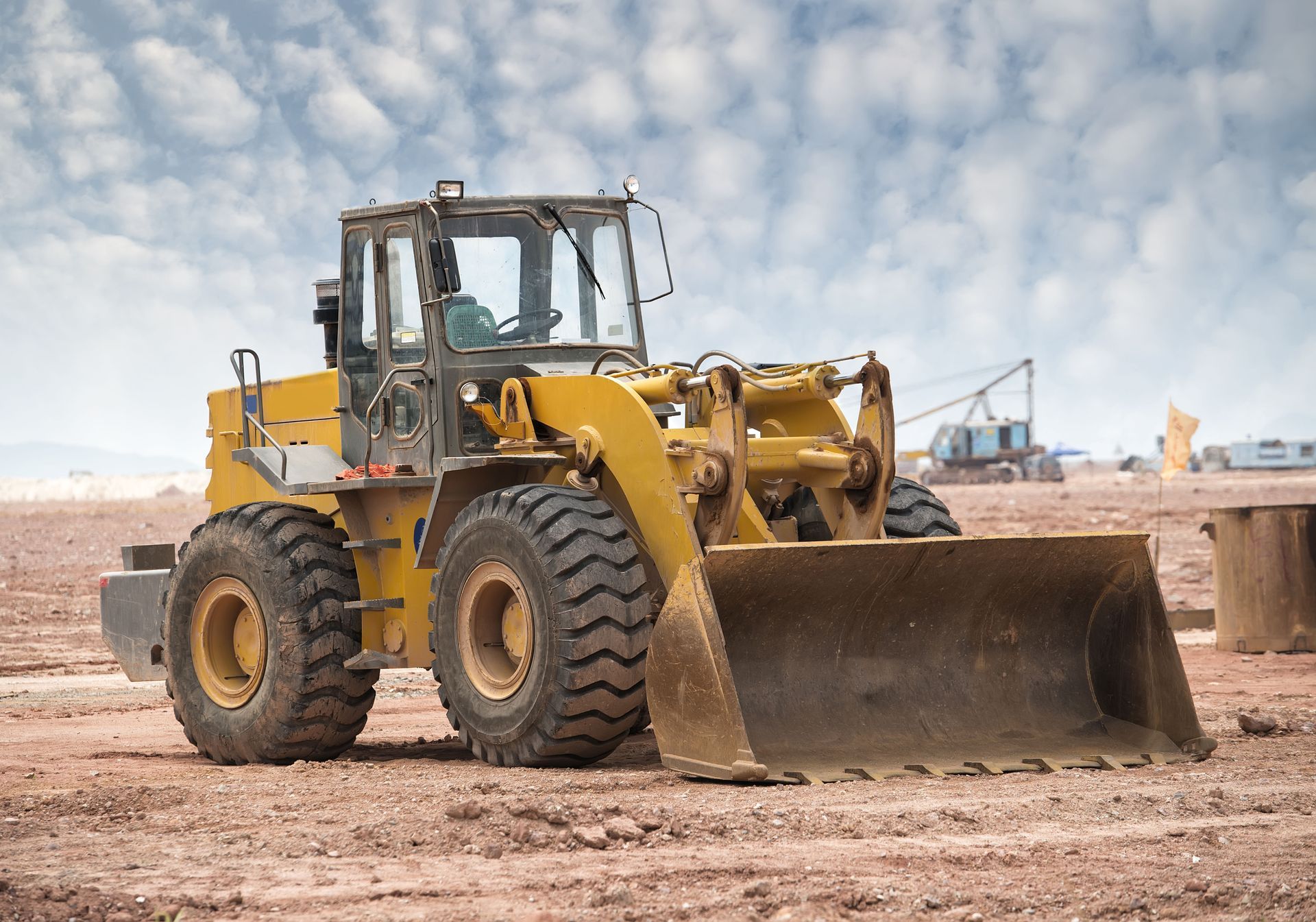
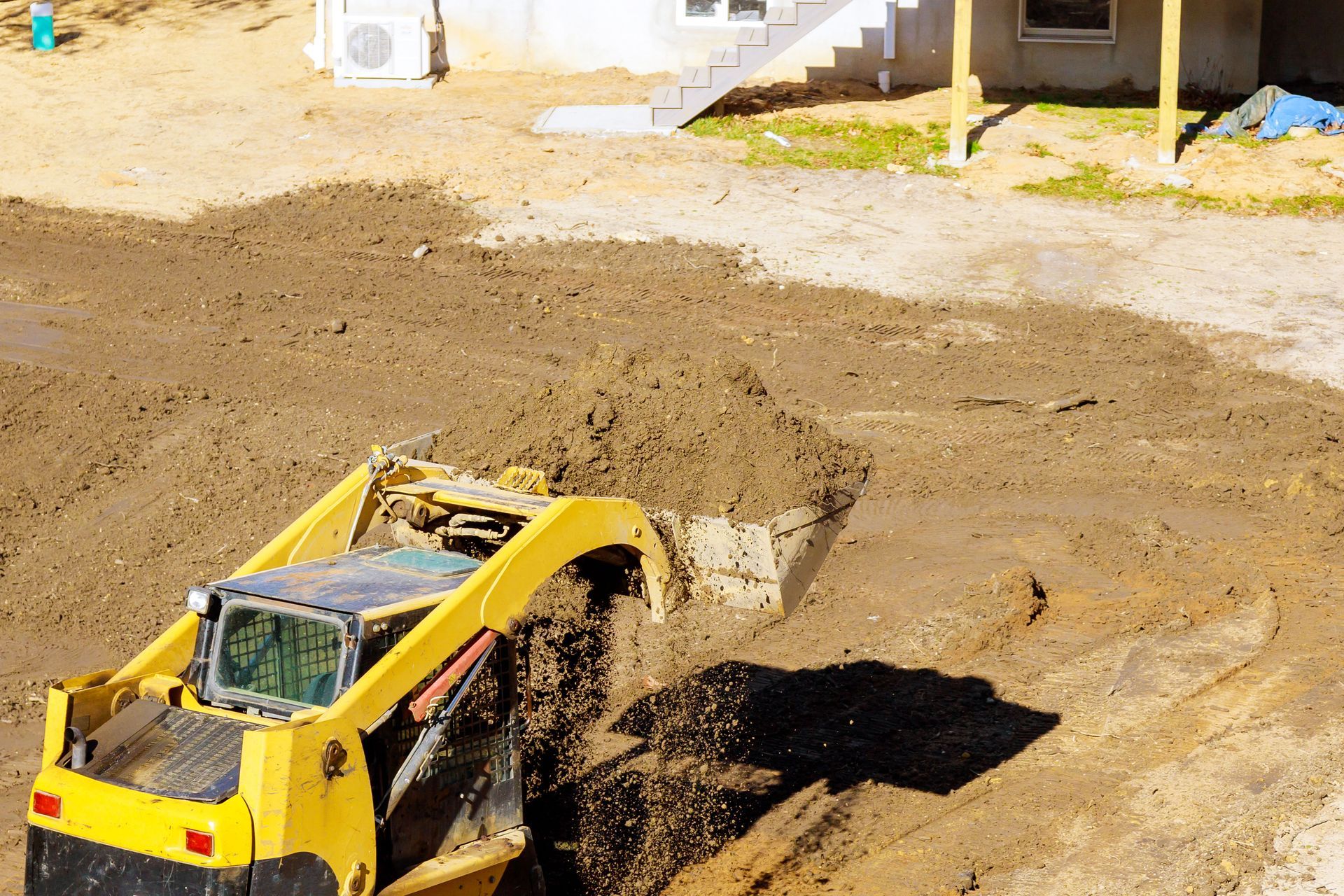
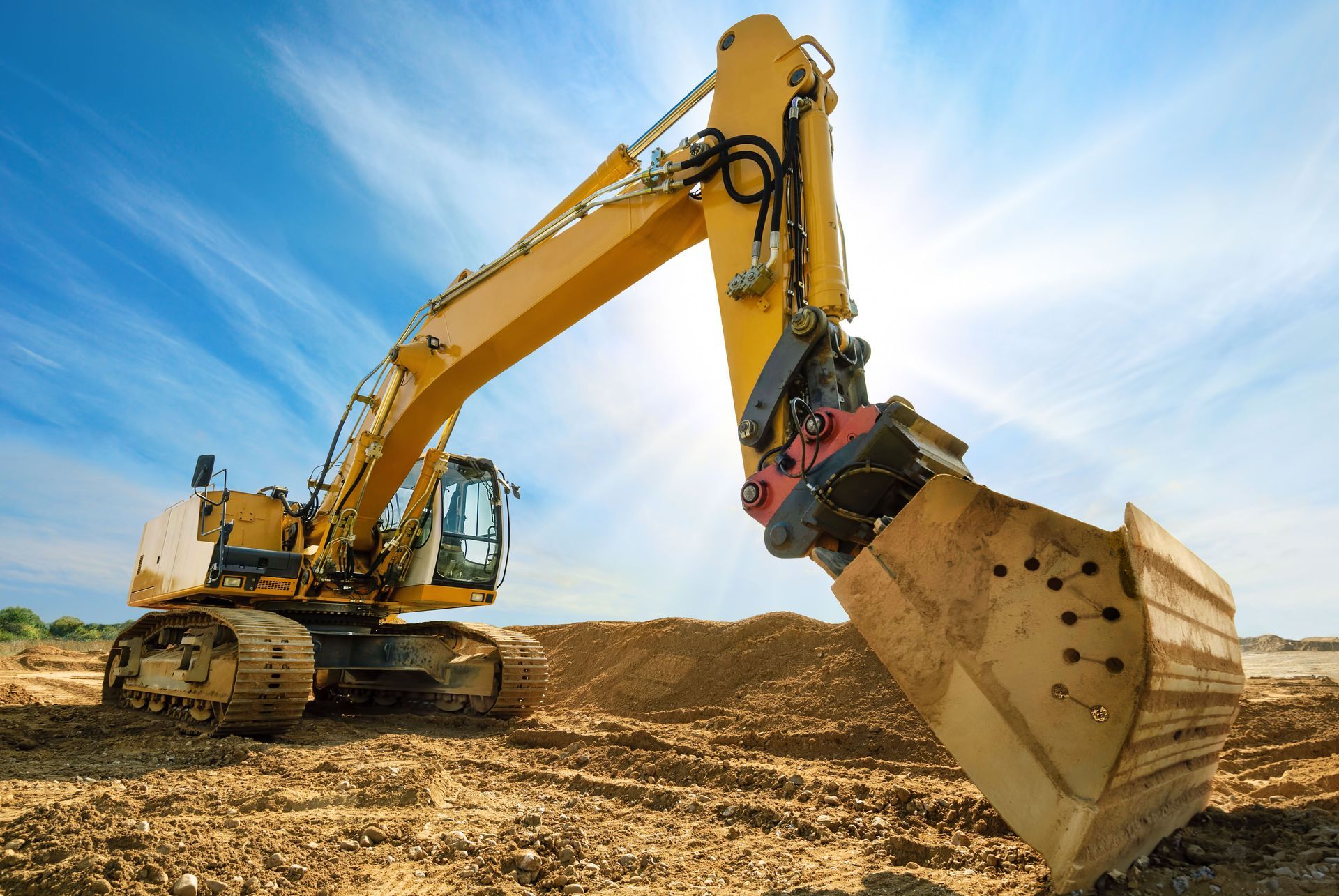
Excavation is one of the most visible and labor-intensive phases of the entire project because it involves reshaping large sections of land with specialized machinery. Contractors use excavators, bulldozers, skid steers, and grading equipment to remove soil while carefully following the engineered design plan. During professional pond excavations, operators must maintain precise depth measurements and shoreline angles to ensure the pond functions properly after it fills with water.
Soil is often relocated elsewhere on the property for berm creation, grading improvements, or future landscaping use rather than simply discarded. Experienced operators continuously monitor the stability of excavation walls to reduce the risk of collapse or uneven settling throughout the construction process. Weather conditions can also influence excavation schedules because excessive rain may soften soil and create unsafe working conditions for heavy machinery. Proper equipment operation ensures the final pond shape remains structurally sound while meeting both practical and visual expectations.
Supporting Wildlife And Natural Habitat Development
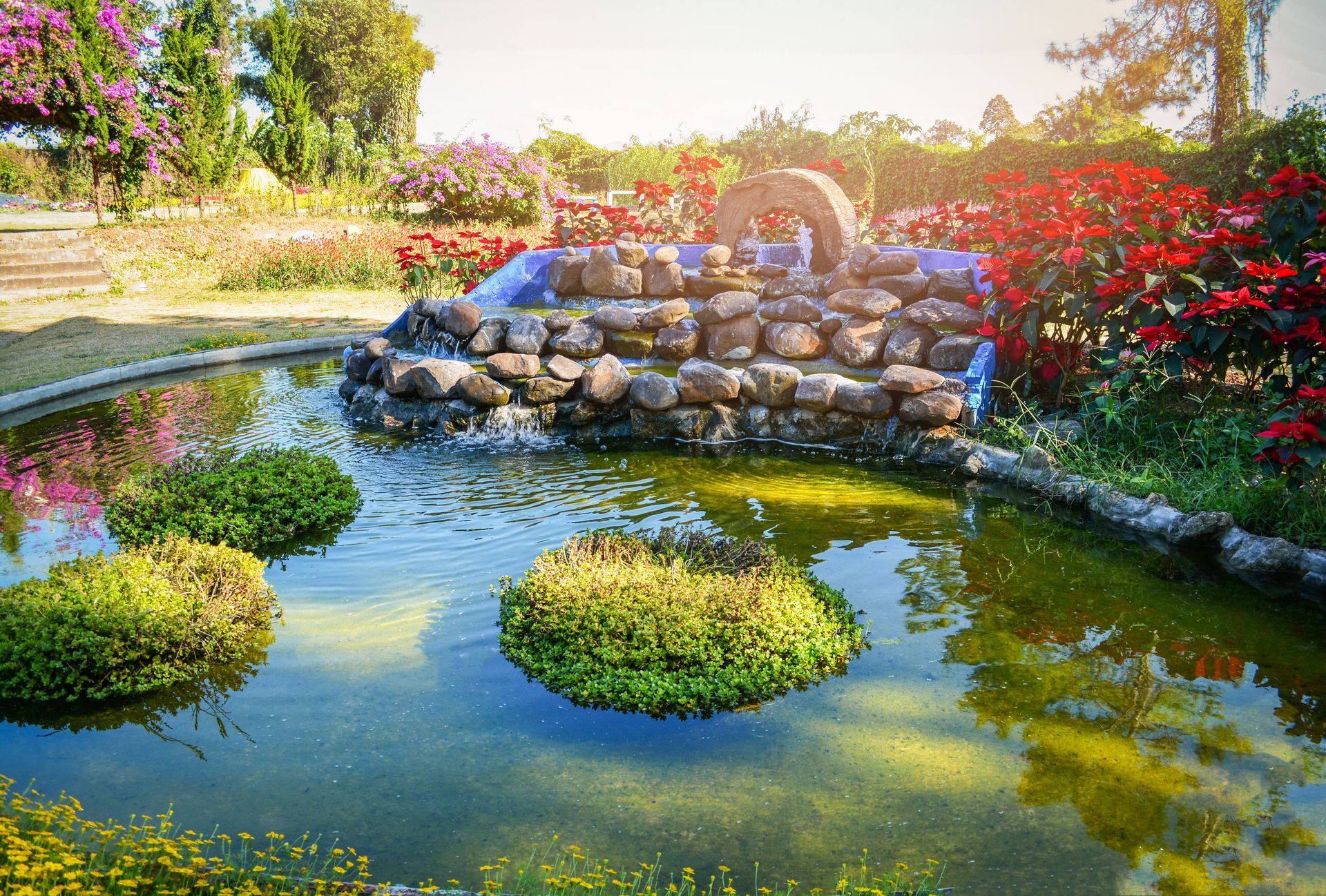
Many property owners choose ponds because they provide opportunities to support wildlife and encourage biodiversity throughout the landscape. According to Freshwater Habitats Trusts, even small ponds can sustain more than 1000 species of amphibians and invertebrates despite their relatively compact size. During pond excavations, contractors often incorporate habitat-friendly features such as shallow edges, native vegetation zones, and gradual shoreline transitions that improve ecological diversity.
These design elements create safe spaces for frogs, turtles, birds, insects, and aquatic plants to thrive naturally over time. Water features can also serve as important environmental resources by supporting pollinators and improving local ecosystem balance within developed areas. Contractors may recommend specific plant species that stabilize the shoreline while providing food and shelter for wildlife throughout changing seasons. Creating environmentally supportive ponds allows property owners to enjoy both visual beauty and meaningful ecological benefits on their land.
Installing Liners And Water Retention Systems
Water retention is one of the most important factors determining whether a pond remains functional and visually appealing long after excavation is complete. Some properties naturally contain dense clay soils that hold water effectively, while others require additional sealing systems to prevent seepage and water loss. During pond excavations, contractors may install synthetic liners, compacted clay layers, or bentonite materials depending on the site conditions and intended use of the pond.
Proper liner placement requires careful grading and debris removal because sharp rocks or uneven surfaces can damage protective materials over time. Contractors also incorporate drainage pipes, overflow structures, and water control systems that help regulate water levels during periods of heavy rainfall. Attention to these details prevents future maintenance problems such as erosion, unstable banks, or excessive water loss during dry seasons. Reliable water retention systems help ensure the pond remains both functional and attractive throughout the life of the project.
Stabilizing Shorelines And Preventing Erosion Damage
Without proper stabilization, exposed soil around a newly constructed pond can quickly erode and create long-term structural problems for the surrounding landscape. Contractors use a combination of grading techniques, vegetation, and reinforcement materials to secure the shoreline after excavation work is completed. During pond excavations, professionals carefully shape slopes to reduce runoff velocity and minimize soil displacement caused by rain or wave action.
Native grasses, erosion control blankets, and rock barriers are often installed to strengthen vulnerable shoreline areas while supporting natural vegetation growth. Stabilization efforts also help improve water clarity by reducing the amount of loose sediment entering the pond after storms. Property owners benefit from safer walking areas and reduced maintenance demands when shorelines are properly protected from erosion damage. Long-term stability is essential for preserving both the appearance and functionality of the pond environment.
Proper cleanup and restoration help the pond blend naturally into the existing landscape while minimizing visible signs of construction activity. Attention to finishing details significantly improves the appearance, usability, and environmental quality of the completed water feature. A professionally restored site allows property owners to immediately begin enjoying the benefits of their newly created pond environment.
Working with experienced professionals also helps reduce costly mistakes that may affect water retention, erosion control, or long-term maintenance requirements. High-quality workmanship ensures the final result functions efficiently while complementing the natural beauty of the surrounding property. Contact JMK Site Work LLC today to learn how expert pond construction services can transform your property into a functional and visually stunning outdoor environment.
Share On: