

6 Things to Understand About Land Grading
Land grading is a crucial component in construction, landscaping, and agricultural projects. It ensures proper drainage, structural stability, and visual appeal across a wide range of applications. Whether preparing a site for a new building or improving an outdoor space, land grading plays a central role in long-term success. Understanding the process, materials, and regulations involved allows both professionals and property owners to make informed decisions. By learning the key aspects of land grading, projects can achieve stronger performance, better durability, and more efficient outcomes from start to finish.
1. Fundamentals of Land Grading
Land grading refers to the process of leveling or reshaping the ground to achieve a desired slope or elevation. This process is essential for directing water away from structures, preventing pooling, and preparing surfaces for construction or landscaping. Without proper land grading, even well-designed projects can suffer from drainage issues and instability over time.
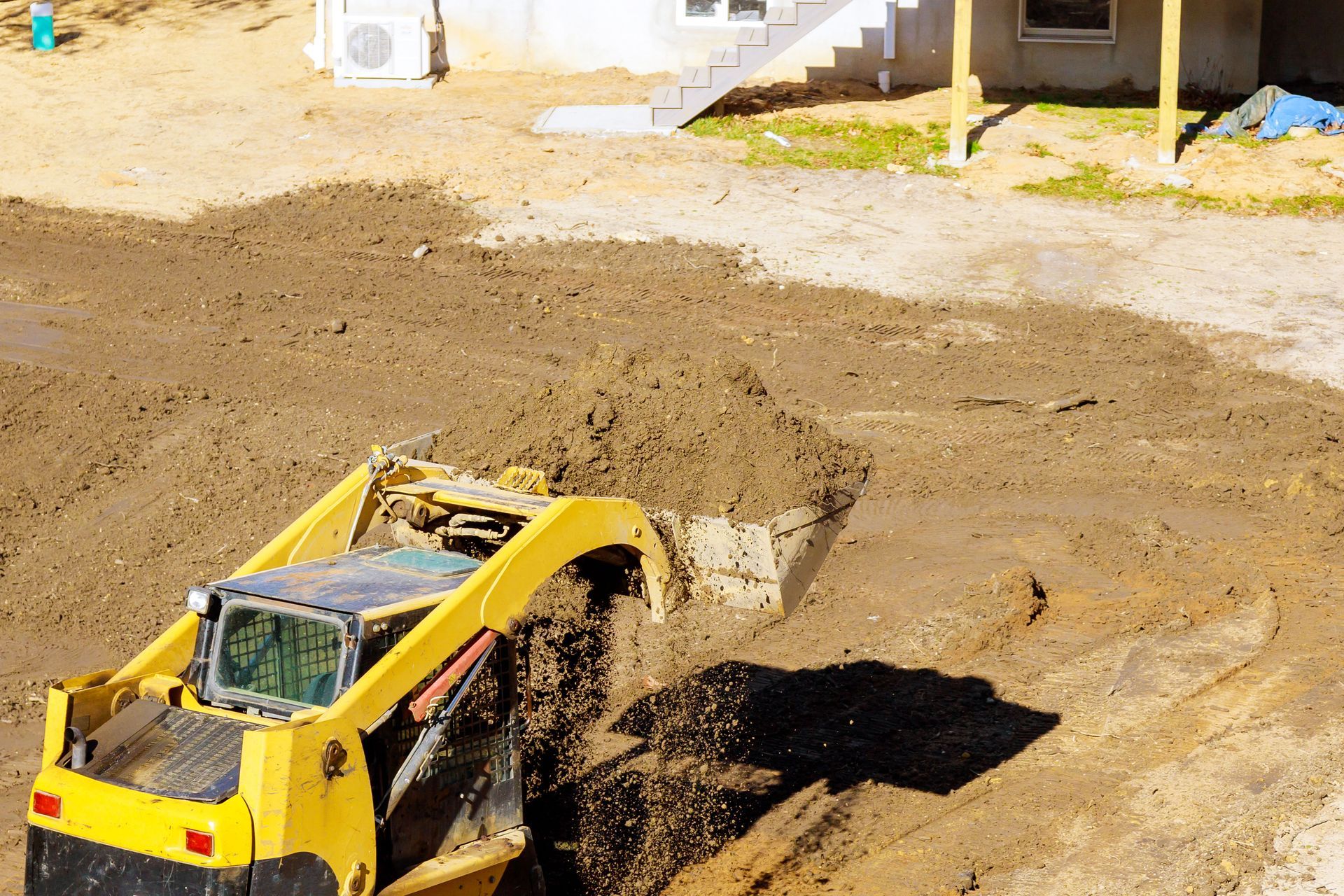
There are several types of land grading, each designed for a specific purpose. Rough grading establishes the general shape of the land, while finish grading refines the surface to meet final specifications. Drainage grading focuses specifically on controlling water flow to prevent erosion and damage. Choosing the correct approach depends on the project’s goals, site conditions, and long-term use. The process typically begins with a detailed site assessment, including surveying and planning. After this, excavation and reshaping take place using appropriate equipment. The final stages involve smoothing, compacting, and inspecting the surface to ensure the land grading meets all requirements. Each step contributes to creating a stable and functional foundation.
2. Importance of Soil Composition
Soil composition is one of the most important factors influencing the success of land grading. Different soil types behave differently under pressure, moisture, and environmental conditions. Clay soils tend to retain water and compact easily, while sandy soils drain quickly but may lack stability. Loam, often considered ideal, offers a balance of drainage and strength. The physical properties of soil, including texture, structure, and moisture content, directly affect how well land grading performs. Soil that is too wet can be difficult to shape, while overly dry soil may not compact properly. These variables must be carefully evaluated before beginning any grading work.
Soil testing plays a critical role in this process. By analyzing samples, contractors can determine whether the soil needs improvement before grading begins. Amendments such as sand or organic matter may be added to enhance drainage, stability, and overall performance. Proper preparation ensures that land grading delivers consistent and reliable results. Additionally, managing erosion is essential when working with soil. Techniques such as mulching, vegetation planting, and erosion barriers help maintain soil stability after land grading is complete. Without these measures, even well-graded land can deteriorate over time.
3. Effective Land Grading Techniques
Successful land grading requires a combination of proven techniques and modern technology. Precision grading methods, including laser-guided and GPS-controlled systems, allow for highly accurate results. These tools ensure that slopes and elevations meet exact specifications, reducing the risk of drainage issues or uneven surfaces. Technology has transformed the way land grading is performed. Drones can assist with site analysis, while advanced software helps create detailed grading plans. These innovations improve efficiency and reduce the likelihood of costly errors. As a result, projects can be completed faster and with greater accuracy.
Water management is another critical aspect of land grading. Proper grading directs water away from structures and prevents pooling that could lead to damage. Features such as swales and retention areas can be incorporated to further control runoff. According to Lawn Love, land grading improves drainage on flat yards, with an ideal terrain slope of at least two degrees to facilitate water runoff. When land grading is done correctly, it protects both the property and its surrounding environment. Sustainable practices are also becoming increasingly important. Minimizing soil disturbance, using native vegetation, and reducing fuel consumption all contribute to environmentally responsible land grading. Avoiding common mistakes, such as overgrading or neglecting drainage planning, further ensures project success.
4. Environmental Impacts of Land Grading
Land grading has a direct impact on the surrounding environment, making careful planning essential. Disturbing the land can affect local ecosystems, including plant life and wildlife habitats. Responsible land grading aims to minimize these effects while still achieving project goals. Preserving natural vegetation where possible helps maintain ecological balance. When removal is necessary, replanting with native species can restore stability and support biodiversity. Erosion control measures also play a key role in protecting nearby water sources and preventing sediment runoff.
Compliance with environmental regulations is another important consideration. Many projects require permits and must follow specific guidelines to limit environmental impact. Understanding these requirements ensures that land grading proceeds without legal complications or delays. Protecting wildlife is also a priority during land grading. Scheduling work to avoid sensitive seasons and creating buffer zones can reduce disruption to local species. After grading is complete, rehabilitation efforts such as reseeding and soil stabilization help restore the area. These steps ensure that land grading supports both development and environmental sustainability.
5. Costs and Budgeting for Land Grading
Financial planning is a key component of any land grading project. Costs can vary widely depending on the size of the site, soil conditions, and equipment required. Developing an accurate estimate helps prevent unexpected expenses and keeps the project on track.
Balancing quality and cost is essential for achieving long-term value. Investing in experienced professionals and high-quality materials may increase upfront expenses but reduces the likelihood of future repairs. Poor land grading can lead to drainage problems, erosion, and structural issues, ultimately costing more over time. Considering return on investment is also important. Proper land grading enhances property value by improving functionality and appearance. Exploring funding options, such as loans or incentives for sustainable practices, can help make projects more affordable. Setting aside contingency funds further ensures that unexpected challenges do not derail progress.
6. Legal Requirements for Land Grading
Understanding legal requirements is essential before beginning any land grading project. Permits and zoning laws often dictate how land can be modified, including restrictions on slope, drainage, and land use. Failing to comply with these regulations can result in fines, delays, or even project shutdowns. Property rights and ownership boundaries must also be clearly defined. Ensuring that all necessary permissions are in place prevents disputes with neighboring landowners. In some cases, easements or right-of-way agreements may be required to complete the work.
Safety standards play a major role in land grading as well. Regulations govern equipment operation, worker training, and job site conditions. Adhering to these standards protects both workers and the surrounding community while reducing liability risks. Legal disputes can arise during land grading projects, particularly when contracts or property lines are unclear. Establishing detailed agreements and maintaining open communication helps prevent misunderstandings. Staying informed about changing regulations ensures that projects remain compliant from start to finish, supporting smooth and successful completion.
Land grading is a multifaceted process that goes far beyond simply leveling the ground. It involves careful planning, an understanding of soil composition, the use of advanced techniques, and a commitment to environmental and legal responsibility. Each aspect of land grading plays a role in ensuring that projects are stable, functional, and built to last. By taking a comprehensive approach, property owners and contractors can avoid common pitfalls and achieve better long-term results. For reliable results and expert guidance on your next project, trust the experienced team at JMK Site Work LLC.


Share On: